






How do I know if my cat is pregnant?
Is your fur ball behaving strangely and do you suspect something? If she's not spayed, your cat may be pregnant! There are a few signs that can confirm pregnancy. Early in pregnancy, your cat will be more cuddly than usual. She will seek out contact and will look for the most comfortable place in the house to settle down. She'll even go so far as to create a little nest with your clothes, blankets, and other soft textiles... She refuses to eat? Your cat has nausea! And yes, as with humans, our animals are not immune to the typical discomforts of motherhood... Very quickly, her body will start to change. A cat's gestation period can last up to 67 days, or just over two months. Cat foetuses grow rapidly, and the female's belly becomes rounded as early as the 5th week of gestation. If the pregnancy was intended, this is when you can take your cat to the vet to confirm her condition and perform an ultrasound on your cat. In case of accidental pregnancy, go to the clinic at the first sign of doubt. A professional will be able to guide you.
My cat is pregnant, what should I do?
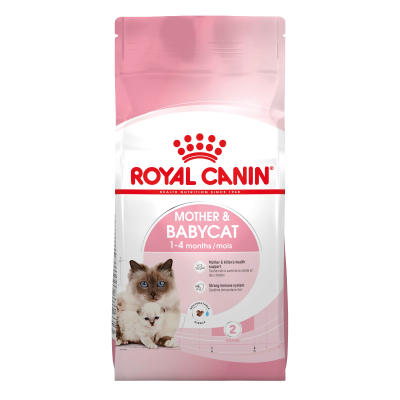
It's official: your cat is pregnant. Whether you want it or not, a litter of cats will soon be arriving in your home. As soon as pregnancy is confirmed, your fur ball should be fed with kitten food. Whether it's kitten food, canned kitten food or kitten food, these foods contain all the nutrients needed for healthy baby development. Don't hesitate to increase the quantities and feed her as much as she wants. The kittens growing in her belly absorb a lot of her energy! A veterinary follow-up is recommended throughout the pregnancy, to check that everything is going well. But when it comes to giving birth, you'll be alone... or rather, your cat will be alone. Felines hide when they give birth, and it's best to intervene as little as possible. Your cat knows what she's doing! If you're anxious, installing a cat surveillance camera will allow you to keep an eye on your cat and assist her if necessary.
Looking after a litter of cats
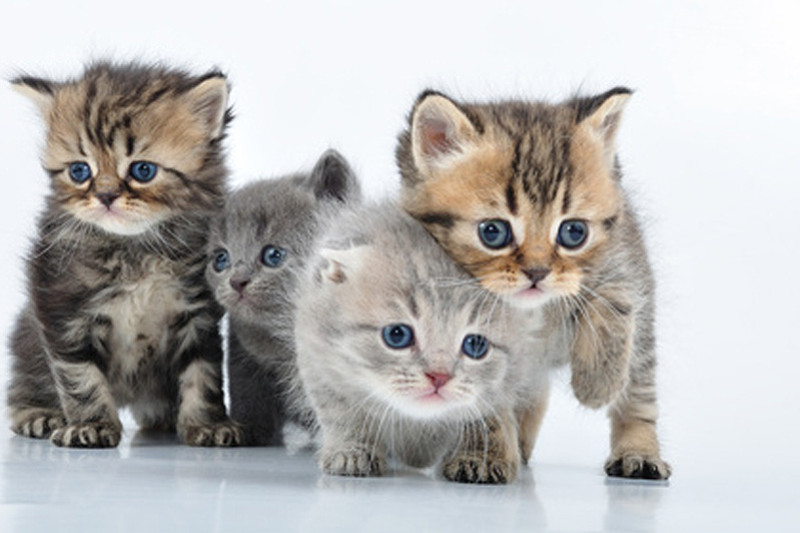
You've seen your cat through to the birth of her kittens - congratulations! Now she'll need some rest and quiet to look after her kittens as best she can. Your role will be to provide her with as much lactating food as she wants and to ensure that the family is well established. Avoid intervening or touching the babies too soon, as this may stress your cat and endanger the litter. Her milk will provide exclusively for the nutritional needs of the little cats until they are weaned. The risk of dehydration, hypothermia or heat stroke is high in kittens. To prevent this, it is advisable to prepare a nest before giving birth. Choose a draught-free area in a room heated to between 23°C and 25°C. Install a cat basket, blankets, towels, and anything else that will make your hairballs comfortable. Consider a heat lamp or infrared bulb to safely regulate the temperature. Don't forget to place mum's water, food and litter box nearby. The less she needs to move around, the better she'll be able to watch over her kittens.
Newborn kitten: when to worry?
The litter of kittens requires your full attention, even if you must keep your role as observer. The subtlety of your mission consists in keeping a close eye on the smooth arrival of the baby cats in the home, without generating anxiety in their mother. There are a few warning signs to watch out for immediately. If you notice a kitten that is isolated, that fails to suckle repeatedly, that complains a lot and that the mother does not clean up: inform your vet immediately. The kitten's life is in danger. A health professional will tell you what to do, and may recommend that you put her in an incubator and provide her with kitten formula. A cat that is not caring for her kittens and appears indifferent is also a serious warning factor. You will need to monitor the cats' weight regularly using a kitten scale, taking care not to stress your cat during handling. Babies can lose up to 10 grams on the first day. If the weight continues to drop after the first 24 hours, something is wrong. During the first week they will gain 5 to 10 grams per day, then 10 to 15 grams per day until the fifth week.
At what age is a kitten weaned?
Is your cat reluctant to suckle and pushes her babies away when they get too close? This is a sign that the kittens will soon be weaned! As soon as they are four weeks old, you can start introducing them to their mother's food. They will gradually get used to it, until the kittens are completely weaned at 8 weeks. During the sixth week, feed the babies a bowl of kitten food or tinned food between 3 and 5 times a day. Remember to keep water available at all times! Between the eighth and tenth week, it's time for kitten vaccinations. Protected against typhus and coryza, they can then be offered for adoption. While waiting for them to meet their future family, you can place the babies in a kitten pen, which will allow you to keep an eye on them in complete safety. We remind you that the sale of animals is forbidden to non-professional breeders who do not have a SIRET number.